Top 5 ways to present candidates to clients in 2026
In today's competitive talent market, how you present candidates to clients can significantly impact your success as a recruiter. A thoughtful presentation not only showcases your candidates' qualifications but also demonstrates your expertise and attention to detail. It is still the final step in your recruitment process, but the first real output your client gets to see after your search efforts. It is what build long term client satisfaction and a glimpse of how deep you went in your recruitment service to them. Let's explore the five most effective methods for presenting candidates in 2025, examining the strengths and limitations of each approach.
1. The Strategic Shortlist Presentation
The shortlist presentation remains a recruitment staple for good reason. By carefully curating a selection of top candidates, you provide clients with a focused overview of available talent.
This method shines when you include comparative analysis highlighting how each candidate aligns with the position requirements. When executed well, a shortlist demonstrates your thorough understanding of both the role and the talent landscape. It also showcases your ability to identify candidates who truly match the client's needs rather than simply forwarding every possible option.
2. Candidate Reports with Reformatted CVs
Pairing a detailed candidate report with a professionally reformatted CV creates a powerful presentation package. This approach allows you to standardize information across candidates while highlighting specific qualifications relevant to the position.
The candidate report offers space to elaborate on aspects that traditional CVs might not adequately cover, such as cultural fit, communication style, and specific achievements relevant to the client's needs. By reformatting CVs into a consistent style, you create a cohesive experience that makes comparison easier for hiring managers.
The downside? This method requires significant time investment, which can be challenging when working with tight deadlines. However, the professional impression it creates often justifies the additional effort.
3. Interactive Candidate Portals
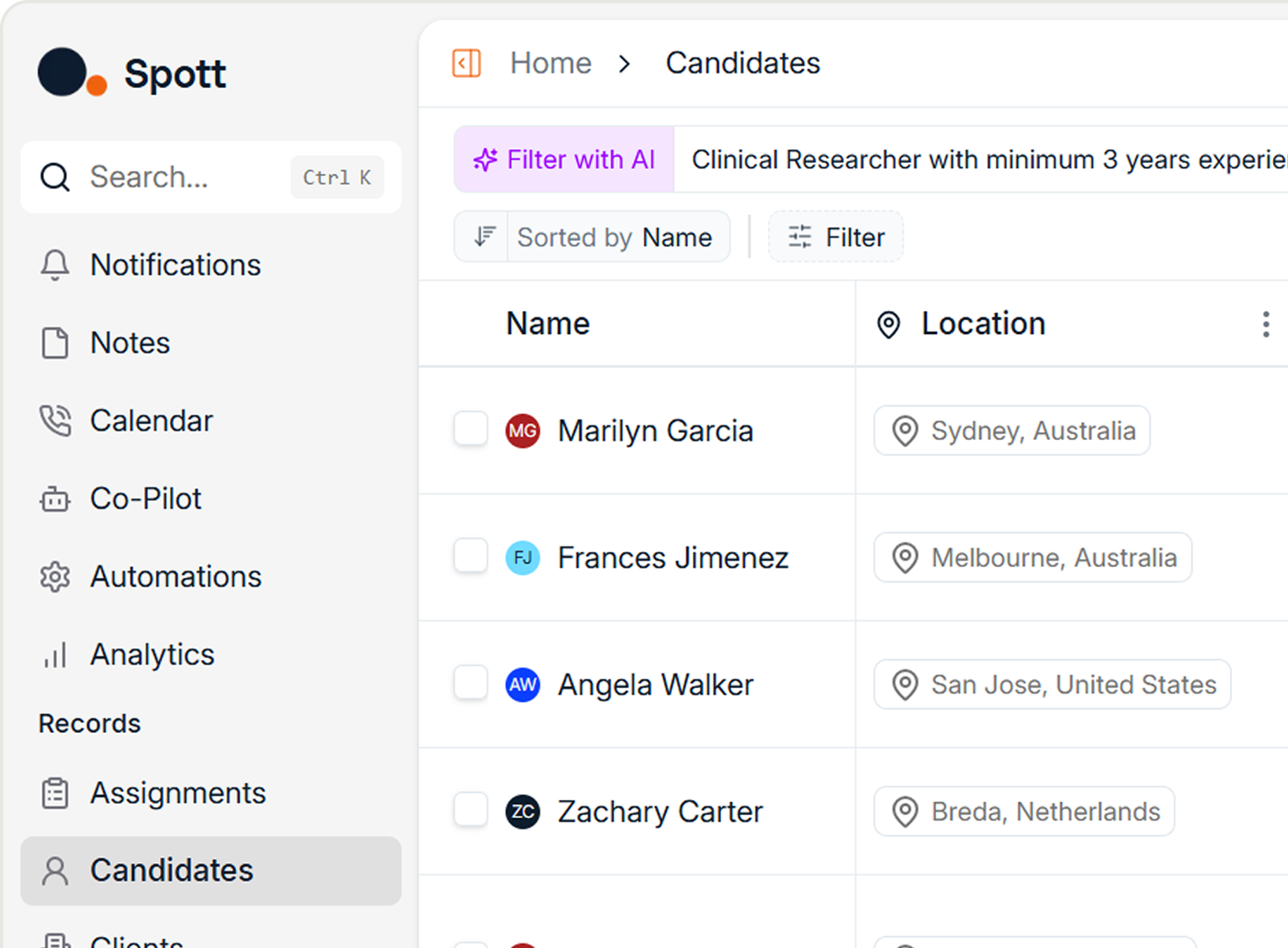
Interactive candidate portals represent the cutting edge of recruitment presentation technology in 2025. These customized digital environments allow clients to navigate candidate profiles interactively, filtering and sorting based on specific criteria.
Portals excel at organizing large amounts of information in an accessible format. They can include traditional elements like resumes and cover letters alongside modern components such as skill assessments, video introductions, and work samples. The analytics capabilities of portals also provide valuable insights into which candidates are receiving the most attention from client stakeholders.
The primary challenge with portals is ensuring they remain intuitive and user-friendly. Complex interfaces can frustrate busy hiring managers, potentially undermining the benefits of this technologically advanced approach.
4. Video Presentations
Video has transformed candidate presentations by adding a personal dimension that text simply cannot match. Whether through candidate interviews, recruiter summaries, or candidate self-introductions, video conveys personality, communication skills, and enthusiasm effectively.
This format particularly benefits roles where presentation skills and personality are crucial. It also allows clients to "meet" candidates before investing time in formal interviews, potentially accelerating the hiring process.
The limitations include production quality concerns and potential bias issues. Additionally, videos require more client time to review than written summaries, making them best suited for shortlisted candidates rather than initial presentations.
5. Concise Email Bullet Points
Sometimes simplicity prevails. Presenting key candidate qualifications through concise bullet points delivered via email offers speed and accessibility that more elaborate methods may lack.
This approach works well for busy executives and time-sensitive roles. When crafted thoughtfully, these bullet summaries highlight the most relevant qualifications while eliminating information overload. They also facilitate quick decision-making about which candidates warrant deeper consideration.
The obvious disadvantage is limited depth. However, when used as an initial presentation layer followed by more detailed information for candidates of interest, this method can be remarkably effective.
At Spott, we understand that the ideal candidate presentation strategy often combines elements from multiple approaches, tailored to each client's preferences and the specific role requirements. The most successful recruiters adapt their presentation methods to showcase both candidate strengths and their own value as talent acquisition partners.